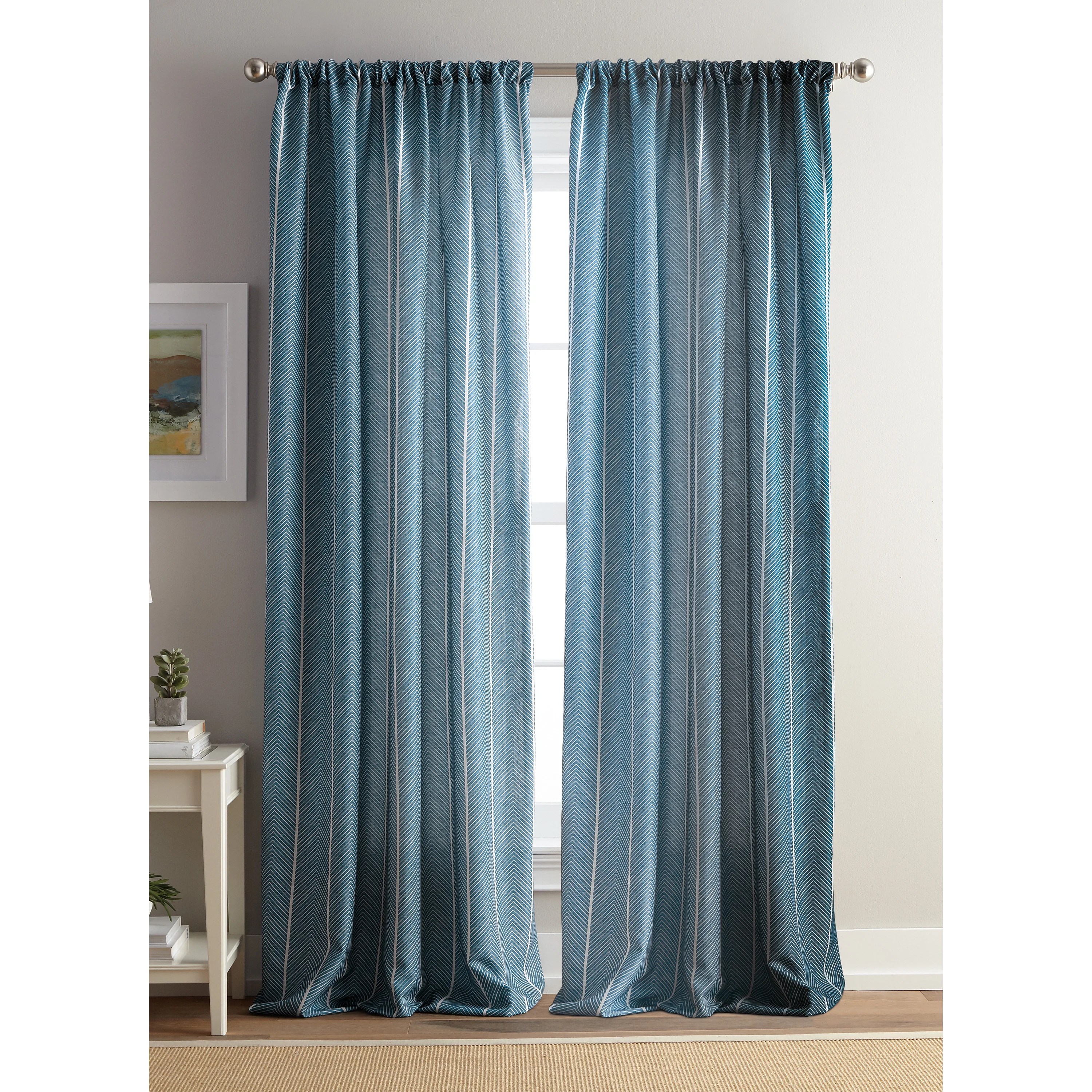
Better Home And Garden Curtains. Rockport fl linen look curtain pairs with tiebacks 63 l gray target. Better homes gardens light filtering chenille curtain papyrus beige 54x63 better homes gardens blackout abstract single curtain panel 50 x 108 soft silver com better.
BETTER HOMES AND GARDENS STRIPED CHEVRON ROD POCKET CURTAIN Walmart from www.walmart.com Observing a Betta
Betta is also referred also as the Siamese battle fish. It is native to Southeast Asia, including Cambodia, Laos, Myanmar, Thailand and Vietnam. It is a tropical fish that is suited to an aquarium in freshwater that has a excellent gravel substrate. It is well-known for its brilliant colors. It's also a wonderful pet for people who are just starting out.
A betta is observed by a
When you observe a bet, it can help you understand the nature of its behaviour. Bettas are naturally interested in the world that surrounds them. Anything that changes suddenly will catch their attention. They also have a habit of staring. They'll stare at any move that might be the food source or predator.
It is possible to observe an betta by putting it in a tank with another betta. Be sure to keep temperatures and lighting levels the same. If you are able, keep an eye on the fish 30-60 minutes every day. It is also possible to play classical music to help. If you're watching a betta you should look for behaviour patterns that show that the fish is happy and healthy.
A healthy betta should swim in the tanks on a daily period, connecting with its environment. It might be a lazy swimmer or move swiftly from one side to another. On the other hand an unhealthy betta can stay at the bottom of the tank, and not show sign of joy.
Betta's behavior is determined by the kind of stress it experiences. When the fish is aware of a threat, they may respond out in anger. This is their method to get rid of the threat. They can flail at other creatures , or even at their reflection. Though it can be stressful for your betta's health and wellbeing, small incidents of flaring can be handled.
Looking at a wild betta
Watching a wild betta in the wild can be a fascinating experience. These fish are extremely fascinated and seek to understand their surroundings. While they are relatively easy to take care of but you may be surprised at some of their strange behaviors. Here are some of the signs you may notice when you see one in its natural habitat:
Bettas are predators, and are typically prey for other animals, which is why they're always aware of movements that is happening around them. That means they're very alert, though they might remain stationary while watching. While you're watching the fish, be sure to keep an eye out for any aggressive behavior which you spot.
If you want to observe a wild betta, it's best to understand their environment. Bettas are found in highly structured habitats, so they don't require a lot of space. They usually spend their time hiding under vegetation. Their fins are tiny, which makes them difficult observe. Furthermore, their muggy brown color makes them difficult to distinguish.
Another of the signs of aging Bettas can be seen in their lack of energy. Bettas who are young should be alert, but if feel tired, they may be exhibiting signs of illness. Also, they might not be as enthusiastic about food items as they used to be. You will also notice the decrease in their wiggle dances.
Watching a captive betta
The experience of watching a captive betta fish is great way to instruct students about betta fish biology. Bettas are tropical fish which prefer water that is 72 to the temperature of 82 degrees. They struggle with cold water due to it making them feel lazy and reduces their immune system. A frequent change in water can also stress them out. Their name is derived form their Malay language "betah," which means "fighter," referring to their endurance in water that is not habitable.
It is possible to observe beta's behavior within an aquarium to determine what causes it do better at swimming or behave in certain ways. It can also be studied its responses to different environments, like changing temperatures or rocks. You can also get learners to complete their own experiments. They could make predictions on how fish behave in each scenario.
Another way to get to know more about bettas involves watching their feeding habits. Bettas prefer floating pellets over fish flakes. They are also required to come up to the surface as they replenish their labyrinth as they don't like having a tank that has a deep bottom.
Bettas tend to be housed in tiny aquariums, but there are a few things you should keep in mind when caring for one. Bettas are very susceptible to many common freshwater fish illnesses. They can be affected by ich or White Spot Disease, caused by the Ichthyophthirius multifiliis parasite. This parasite is found in a variety of freshwater fish tanks. When this parasite strikes an aquatic species, it may cause white spots on its body, which may be visible. It can also cause the fish to clamp the fins of its body or remain limply on the top of the water.
Feeding a better
Bettas require access to the surface of the water in order to breathe. A labyrinthic organ on the body of the betta allows it extract oxygen the air. This means that you don't have to purchase an air-pump in order to keep your betta satisfied and healthy. They also need enough space to hide and swim. The larger the tank, the more space it will have.
Bettas may consume up three pellets each time they consume food, which is why you'll need be sure to prepare enough food items. It's also vital to wash dry food items prior. Making sure you feed your betta in the correct quantity is crucial for its health and well-being.
In excess feeding your betta can lead to digestive problems. If your betta is fed too many times, they'll end up constipated that can cause many health issues. They may also appear depressed and may spend the majority of the time in a semi-sleepy state. This may indicate that your betta suffers from SBD or is overfeeding.
When selecting the food you will supply your Betta with, make sure that the food you choose is rich in nutrients and free the harmful bacteria. Bloodworms and brine shrimps are frequent in ponds as well as pool and are a great ingredient to add to the diet of your betta.
Monitoring a betta while in captivity
The experience of watching a betta's tank is an exciting experience. You can learn about the behavior of the animal, and how it responds when exposed to types of stimuli. You can also draw an image of a betta as well as describe its features, color, and measurements. It is possible to compare a male and female betta to see how they feed. Additionally, you'll observe how different types in food affect the behavior exhibited by bettas.
Bettas do not reside in large swimming pools. They are much more comfortable in small, enclosed areas. Their natural habitat is a shallow body of aqua that is full of vegetation. They spend the majority of their lives in the greenery. This means they are in constant contact with detritus and leaves.
Bettas are indigenous to watery habitats that are shallow found in Southeast Asia. They have adapted to living in small amounts of water with low oxygen. Bettas have developed to live within these environments by creating an organ that is called the labyrinth. It enables them to breathe straight from their surface. Their diet is made up of insects and their larvae.
Bettas are quiet, but they can battle with other fish. If you don't wish to disrupt your male betta's peaceful existence, it is better to place him in an individual tank. A male Betta is likely to attack another male when it is near.
In the wild
Observing a betta in its natural habitat is an excellent opportunity to observe how it responds to wild life. Bettas are territorial species. They will fight to establish their territories. Male or female, bettas will often ram or swim into other fish. They may also bite off the fins off other fish. To be secure the bettas require a secure area to hide. A cave for swimming or a planted area can be a great spot to hide in.
You can observe a betta's behavior to see how content or anxious it is. If it's upset, the fish will spit out, flake its fins or else react to your presence. If the fish seems unsatisfied either bored or unhappy, it might even become aggressive.
The betta is a decorative fish that is popular throughout the world. The large fins on it will draw attracted attention. The species' natural aggression makes them the so-called "fighting fish." Monitoring their behavior can help you determine their overall health , as well as the state of mind of any fish you see fed.
The foremost thing to remember when you are observing a betta in the wild is to look at closely at the species. Bettas are found in a variety with the most prevalent being blue, yellow, black clear, albino and clear. The male Betta is generally more bright than female. Their fins aren't the same length, and males usually have longer fins than females. They also can have an identifiable tail that may cause rot.
Rockport fl linen look curtain pairs with tiebacks 63 l gray target. 4.better homes & gardens window curtains &. Faux linen textured with full shading.
Better Homes Gardens Farmhouse Print Light Filtering Rod Pocket Window Curtain Better Homes Gardens 1 Pewter Industrial Wrap Single Curtain Rod 40 120 Com Aluminum.
Rockport fl linen look curtain pairs with tiebacks 63 l gray target. Better homes gardens contemporary 1 pewter ribbed knob adjustable single curtain rods 42 120 com. Hello select your address all.
Better Homes And Gardens Floral Tapestry Rod Pocket Curtain Walmart From Www.walmart.com.
2 panels per package, and each decorative blackout curtains have 8 sliver grommets with 1.6 diameter. Better homes gardens adjustable single curtain rod 42 120 oil. Faux linen textured with full shading.
4.Better Homes & Gardens Window Curtains &.
Better houses & gardens stripes curtain panel 52×84 ashwood / artic white new. Better homes gardens curtain panel basket weave aqua blue 84 com. +8 jinchan linen textured curtains for living room.
Better Homes Gardens Light Filtering Chenille Curtain Papyrus Beige 54X63 Better Homes Gardens Blackout Abstract Single Curtain Panel 50 X 108 Soft Silver Com Better.
Share
Post a Comment
for "Better Home And Garden Curtains"

Post a Comment for "Better Home And Garden Curtains"