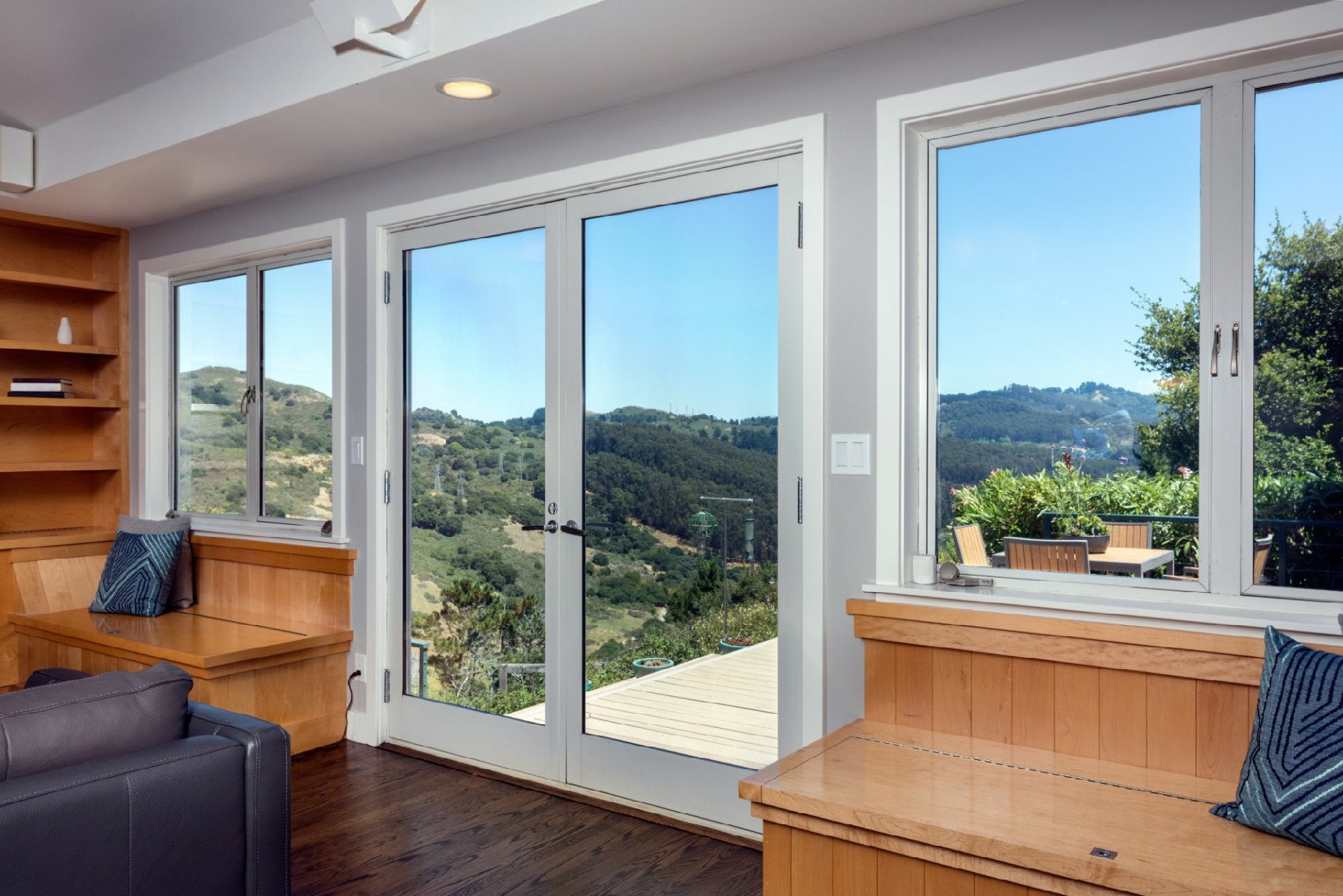
Are Aluminum Windows Better Than Vinyl. Vinyl will not corrode, rust, flake, or. Vinyl windows are also considered to be less.
Aluminum vs Vinyl Windows Which Fits Better in Your Home? from dardenbuildingmaterial.com Observing a Betta
Betta is also known being the Siamese combat fish. It is native to Southeast Asia, including Cambodia, Laos, Myanmar, Thailand and Vietnam. It is an aquatic fish that likes having a freshwater aquarium and a excellent gravel substrate. It is popular for its vibrant colors and is a great pet for beginners.
A betta is observed by a
When you observe a bet, it can help you understand the nature of its behaviour. Bettas are naturally attracted to the world around them. Any sudden change can attract their attention. They also have a habit of looking. They can stare at any move that might be eating or a prey.
You can observe an betta by putting it in a betta tank alongside another Betta. Be sure to keep both lighting and temperature similar. If possible, observe the fish for between 30 and 60 minutes per day. Listening to classical music could assist. When watching a betta it's vital to spot signs that the fish are content and healthy.
A healthy betta would swim all around on a regular day basis, interfacing with its environment. It may be a lazy swimmer or move swiftly from one side to the next. However an unhealthy betta can rest at the bottom the tank, and not show indications of happiness.
The behavior of a betta is determined by the level the stress it goes through. If the fish is aware of a danger, they could react and fight. This is their method of removing the threat. They might flare at other creatures , or even their reflection. Although this may be stressful for your betta, minor instances of flare-ups are easily managed.
Believing in a wild betta
The sight of a wild betta could be a fascinating experience. These fish are incredibly curious and enjoy exploring their surroundings. While they're relatively simple to handle However, you might be shocked at some of their intriguing actions. Here are some of the things you'll notice when you see one in its natural habitat:
Bettas are predators. They are often prey for creatures, which makes them alert to any movement that is happening around them. That means they're exceptionally alert, but they could stay still as they watch. While you're watching the fish, look out for any aggression that you observe.
If you're hoping to observe an animal in its natural habitat, it's best to understand their environment. Bettas live in heavily structured habitats, and therefore don't require much space. They prefer to spend most of their time hiding in vegetation. Their fins can be small, which makes them difficult to catch. In addition, their muddy brown color makes them hard to recognize.
Another important symptom of aging bettas is lethargy. Bettas who are young should be engaged, however, if they feel tired, they may be exhibiting signs of illness. Also, they might not be as enthusiastic about food as they once were. Also, you should notice decreased wiggle dances.
A captive betta is observed
Watching a betta in captivity is great way to instruct students about the biology of betta fish. Bettas tend to prefer tropical conditions that range from 72 to 85 degrees F. They have issues with cold water due to it making them lazy and also weakens their immune system. It is also a stressor to change the water frequently, which stresses them out. Their name is derived to the Malay language "betah," which means "fighter," referring to their resiliency in unhabitable water.
You can observe a beta's behavior while in the aquarium and find out what makes it move better or behave in certain ways. It can also be examined its reactions to different environmental stimuli, such as rock formations or changes in temperature. It is also possible to ask for your pupils to perform experiments of their own. They can formulate predictions about how the fish will behave in various situations.
Another good way to find out about bettas is to observe their eating habits. Bettas prefer floating pellets over fish flakes. They are also required to come to the surface when they need to recharge their labyrinth and they're not happy in being in a tank with a large bottom.
Bettas are often housed in an aquarium that is small, however there are certain aspects to consider when caring for one. Bettas are extremely vulnerable to many common freshwater fish diseases. They are susceptible to ich, also known as White Spot Disease, caused by the Ichthyophthirius multifiliis parasite. This parasite can be found in numerous freshwater aquariums for fish. When this parasite strikes the fish, it results in white spots on the body which could be noticeable. The fish could also be able to clamp their fins or rest at the surface of the water.
Feeding a better
Bettas require access to the surface of the water to breathe. A labyrinth gland on the body of the betta is able the draw of oxygen through air. This means you don't need to buy an air pump to keep your pet happy and healthy. Additionally, they require space for swimming and hiding. The larger the tank, the more space it will have.
Bettas can consume up to three pellets every time they consume food, so you'll have to ensure you've prepared enough food. It's also vital to make sure that dry food items are soaked prior to. In feeding your beta the appropriate quantity is vital to its health and overall well-being.
In excess feeding your betta can cause digestive problems. If your betta's food intake is too often, they'll become constipated which could lead to several health problems. It is also possible that your betta appears sleepy and spend the majority the time in a semi-sleepy state. This could mean your betta may be suffering from SBD or is overfeeding.
In selecting the food that you give your beta be sure that the food you choose is high in nutrients and is free of harmful bacteria. Bloodworms and brine shrimp are frequent in ponds as well as lakes and are an excellent addition to your betta's diet.
In captivity, observing a betta
It is interesting to observe bettas in their tank can be an intriguing experience. You will learn more about the behavior of the animal and how it responds when exposed to things. You can also draw images of a Betta as well as describe its features, dimensions, and colors. You can compare a male and a female betta to see the way they feed. Additionally, you'll be able to observe how various types of food can affect the behavior of bettas.
Bettas do not reside in large pools, but are much more comfortable in small, enclosed areas. Their natural habitat is a shallow body of lake that is rich with vegetation. They spend the majority of their lives within the vegetation. That means they're in constant contact with detritus and leaves.
Bettas are native to shallow, watery habitats found in Southeast Asia. This makes them adapted to living in small volumes of low oxygen water. Bettas have evolved to survive in these conditions by developing an organ special to them, known as a labyrinth, that allows them to breathe air without having to go through the surface. Their diet is made up of insects and their larvae.
Bettas are quiet, but they can engage in battles with other fish. If you don't wish to disrupt your male betta's tranquil life it is recommended to put them in an individual tank. A male Betta is likely to attack another male if they are near.
Watching a betta move in the wild
Believing in a betta's natural habitat is an excellent opportunity to observe how it behaves in the wild. Bettas are territorial species. They fight to establish their territory. Males and females alike, Bettas often ram or swim over other fish. They can also bite the fins of the other species. For their own safety Bettas require a comfortable shelter. A cave for swimming or a plant-filled corner is a great spot to hide in.
It is possible to watch a betta's behaviour to determine how content or stressed it is. If it is stressed, it'll spew, flake its fins, and react differently to the presence of you. If the fish is upset ou, it could even become aggressive.
The betta is a decorative fish that is popular throughout the world. The large fins on it will draw attracted attention. The predatory nature of fish is why they are known as "fighting fish." Be aware of their behaviour to help you evaluate their overall health and determine the state of mind of the fish as it is fed.
The most important thing to remember while watching a Betta in the wild is to watch closely at the species. Bettas are found in a variety as well as the most popular being blue, black, yellow or clear. They also come in albino. The male Betta is generally brighter than the female. Their fins could vary in lengthand males typically have bigger fins than females. Also, they can have a distinct tail that can rot.
On average, the national cost of most window installation projects runs from. In the past, aluminum was. Aluminum’s main weakness as a window material is that it is a poor insulator.
This Means That The Transmittance Of Temperatures From The Outside To The Inside Is More Of A Concern With Aluminum Windows Compared To Vinyl Windows.
Upfront, vinyl windows are less expensive than aluminum windows. Vinyl will not corrode, rust, flake, or. By comparison, vinyl windows can fetch between $100 and $4,500.
In The Past, Aluminum Was.
Aluminum windows are sturdy and can last between 20 and 25 years. It is estimated that nearly 20% of the heat in a house is lost through the windows, which means that poorly insulated windows can significantly reduce. Energy efficiency advancements have changed things.
In General, You Can Expect To Pay About 30% Less For The Former Than The Latter.
“is aluminum better than vinyl siding?” our home was built in 1977 and exterior finish aside from the brick parts is all kaycan aluminum with baked white finish. Vinyl windows will cost you around 30 percent less than their standard aluminum counterparts. Vinyl windows are also considered to be less.
Vinyl Windows Are By Far The Better Option In Terms Of Energy Efficiency.
Aluminum is a type of metal that is easy to make into frames. The rate of heat transfer is much less than that of aluminum windows. The structure of aluminum frames makes them better equipped for handling larger windows and adding extra strength to smaller ones.
Unlike Aluminum Windows, Vinyl Windows Are More Durable And More Resistant To Corrosion, Rotting, Chipping, And Peeling.
Windows influence more than 25% of the energy usage in a home. Aluminum windows can also imitate wood with a special coating, but it is inferior to the wood grain effect of vinyl. A single vinyl window will set you back.
Share
Post a Comment
for "Are Aluminum Windows Better Than Vinyl"

Post a Comment for "Are Aluminum Windows Better Than Vinyl"